19 Daily-Use Items That Weigh 1 Gram
Ever picked something up and thought, “this weighs almost nothing”? That feeling is probably 1 gram weight in your hand. One gram is so light you barely notice it, but it shows up in your daily life more than you think.
Items that weigh 1 gram are all around you right now. Your desk, your kitchen, your wallet, they are full of common objects weighing 1 gram. This guide shows you exactly what those are, so you never need a scale for a quick weight comparison again.
How Heavy Is 1 Gram?
One gram is 1/1000th of a kilogram. It is so light that most people cannot feel it sitting in their palm. But once you know your common weight reference objects, you will never guess again.
Think of it this way. A standard paperclip in your hand? That is your 1 gram weight right there. It is the universal answer to how heavy is 1 gram and it works every single time.
1 Gram Conversion Chart
Before we jump into everyday weight examples, here is a quick cheat sheet. These numbers make gram measurement easy to understand at a glance.
1 gram equals:
- 1,000 milligrams
- 0.001 kilograms
- 0.035 ounces
- 0.0022 pounds
- 5 carats
- 15.43 grains
- 1 milliliter of water
This chart is your go-to for weight measurement examples whenever you need a fast answer.
Things That Weigh 1 Gram
Here are 19 real daily-use items you already own or see every day. These are your best reference objects for 1 gram without touching a scale.
A US Dollar Bill (Any Denomination)
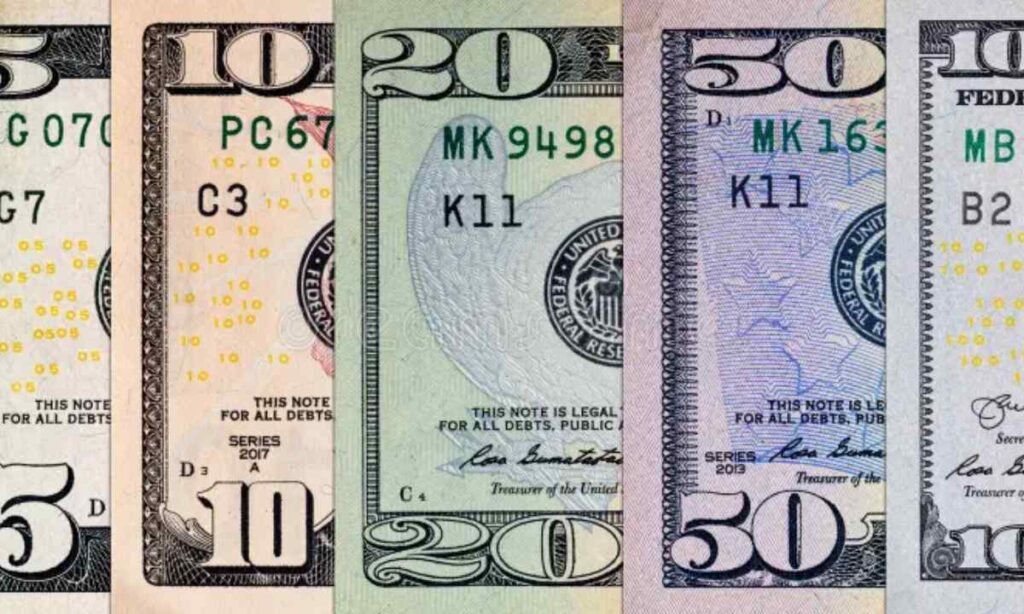
Pull any bill from your wallet, a $1 or a $100, and you are holding exactly 1g object in your hand. The US Bureau of Engraving and Printing confirms every bill weighs 1 gram by design. The 75% cotton and 25% linen blend keeps the weight consistent across billions of printed notes.
This makes dollar bills one of the most reliable everyday weight references you will ever find. Next time someone asks you about comparing object weights, hand them a dollar bill first.
Standard Metal Paperclip
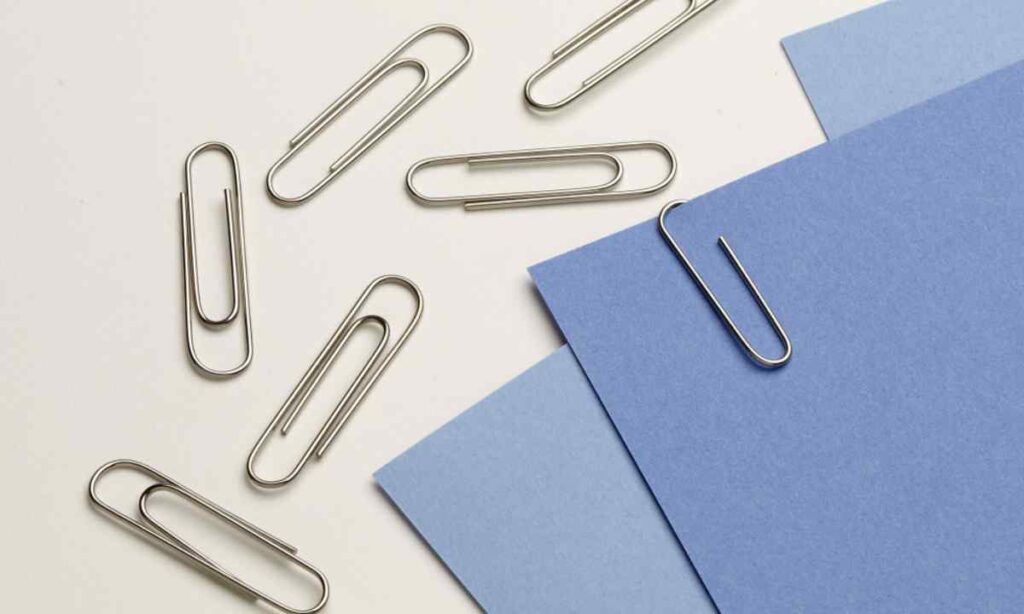
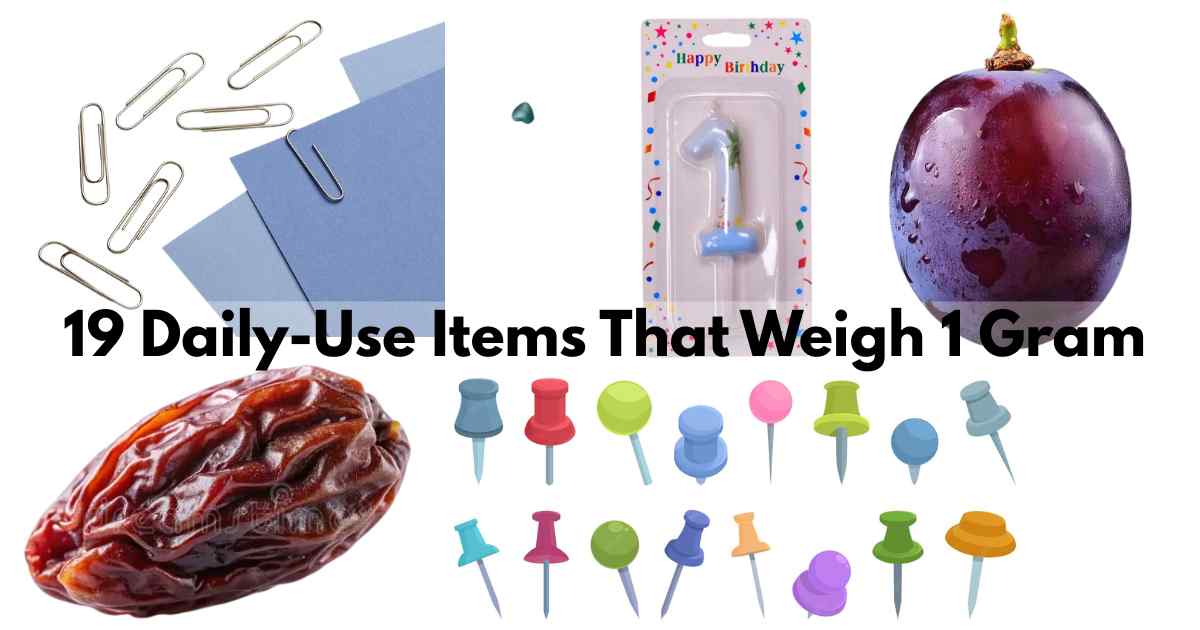
A standard Gem-style paperclip is the world’s most famous reference object for 1 gram. It weighs between 0.9g and 1.1g depending on size, which puts it right at the 1 gram mark. Offices around the world use it as the go-to one gram comparison tool.
It is about 1.5 inches long and made from bent steel wire. Simple, consistent, and always within reach. This is your best friend for weight estimation guide situations.
Single Raisin
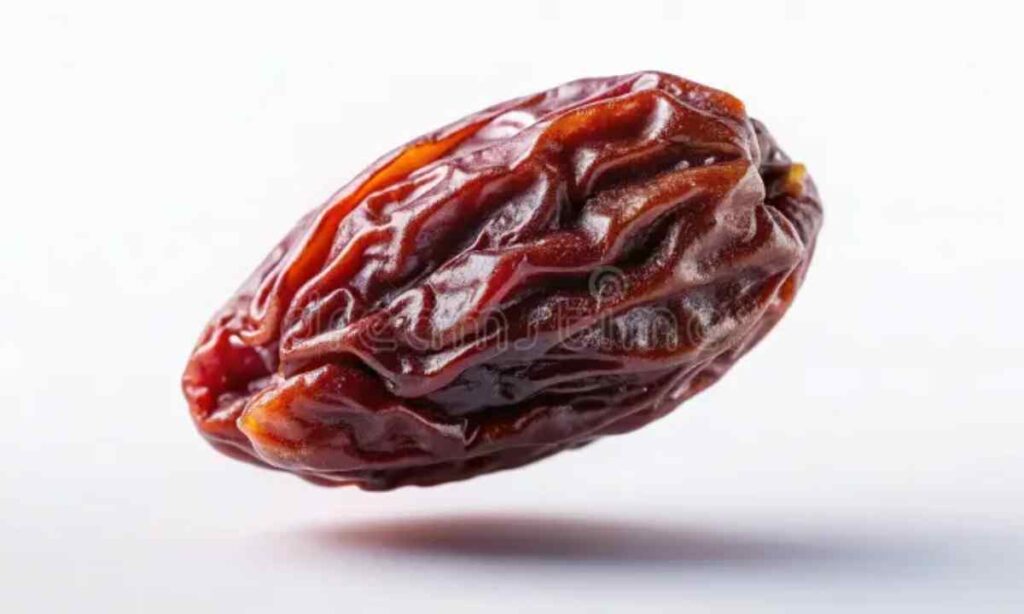
Grab one raisin from the box and you are holding a near-perfect 1 gram example. Most raisins fall between 0.8g and 1.2g depending on variety and size. The drying process removes about 80% of the grape’s water, concentrating it into a tiny, dense little thing.
Bakers actually weigh raisins instead of measuring by cup for more accuracy. That tells you how consistent these tiny everyday objects really are.
Thumbtack or Push Pin
That little pin on your bulletin board? It is a solid lightweight household item sitting right at 1 gram. The metal pin and plastic head together hit the mark without any fuss. Simple tool, reliable weight.
Despite weighing just 1 gram, it holds photos, notes, and reminders without damaging your wall much. It is a great example of small items by weight that punch above their size.
One Stick of Chewing Gum
One stick of gum, rectangular or chiclet-style, typically weighs exactly 1 gram. Manufacturers keep this consistent for packaging and dosage control. Whether it is spearmint or watermelon flavor, the weight stays the same.
Gum is one of the easiest miniature household items to grab for a quick gram scale comparison. Keep a pack on your desk and you have a weight tool hiding in plain sight.
Small Birthday Candle (2-inch)
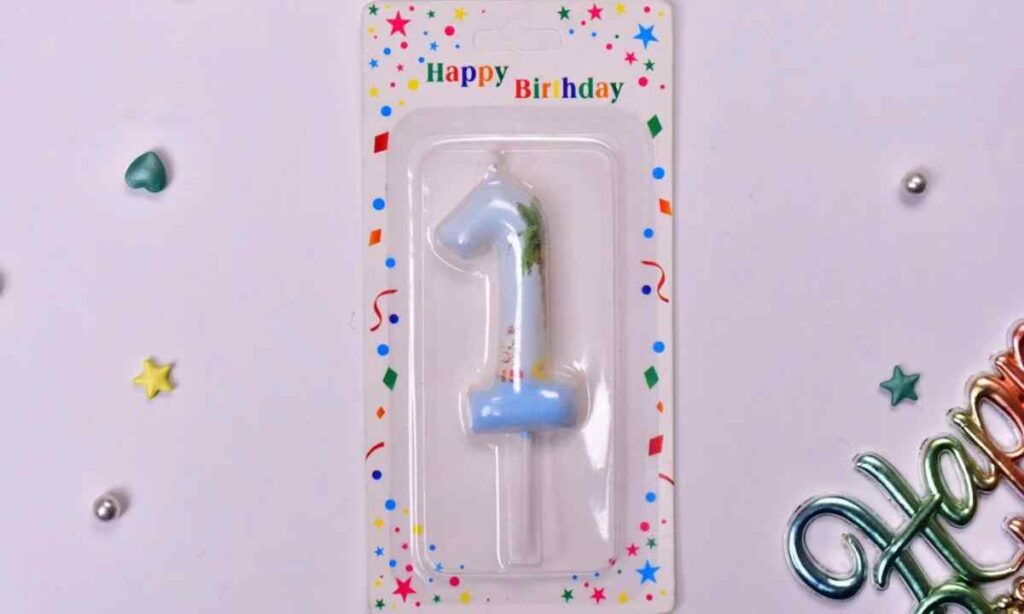
Those colorful little candles you stick on birthday cakes weigh about 1 gram each. Made from paraffin or beeswax, they are light, thin, and burn fast. The modern birthday candle tradition actually started in 18th-century Germany, not ancient Greece as some sources claim.
These are fun tiny objects around the house that most people never think to weigh. Now you know they are perfect 1g objects for your next weight experiment.
Single Fresh Grape
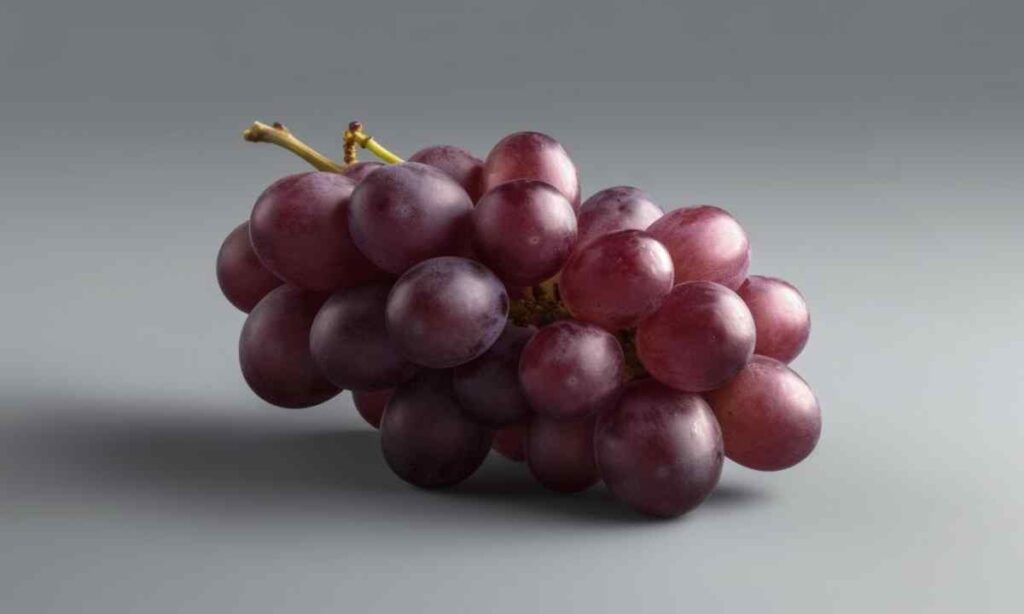
One grape off the bunch weighs between 0.8g and 1.2g depending on type. Most land right at 1 gram, making them a natural and accurate everyday weight example. Green, red, or black, the weight stays pretty consistent across varieties.
Grapes have been cultivated for over 8,000 years according to archaeological records. And now they are also your fresh, edible common weight reference. Not bad for a snack.
Ballpoint Pen Cap
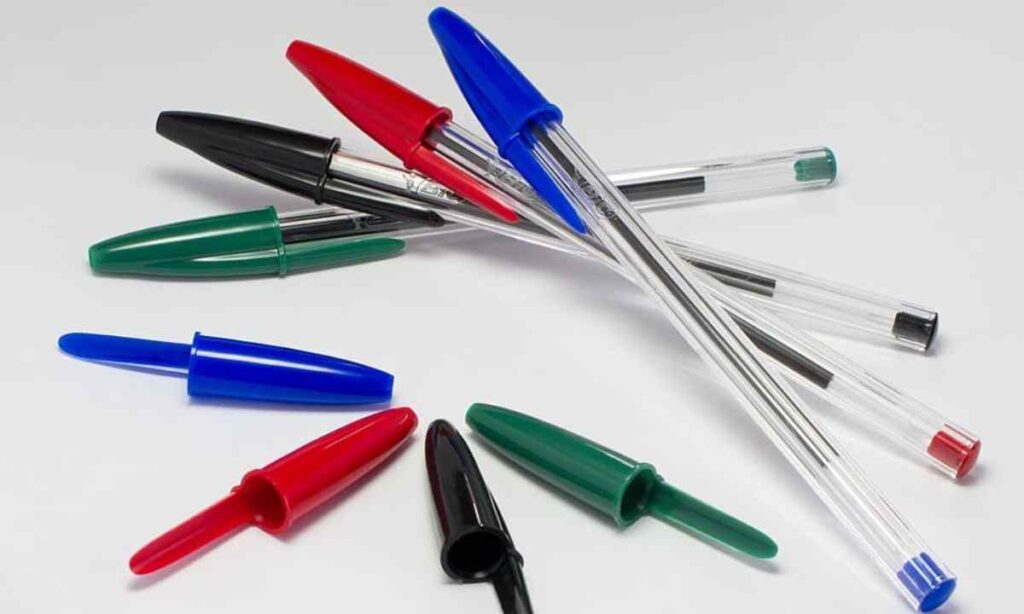
The cap sitting on your everyday pen weighs roughly 1 gram. It is made from lightweight plastic and designed to be barely noticeable. Most pen caps even have a small hole for safety in case a child swallows one.
This is one of those lightweight daily-use objects you touch every day without thinking about it. Now it is also your backup gram measurement tool.
Pinch of Salt (Thumb + Forefinger)
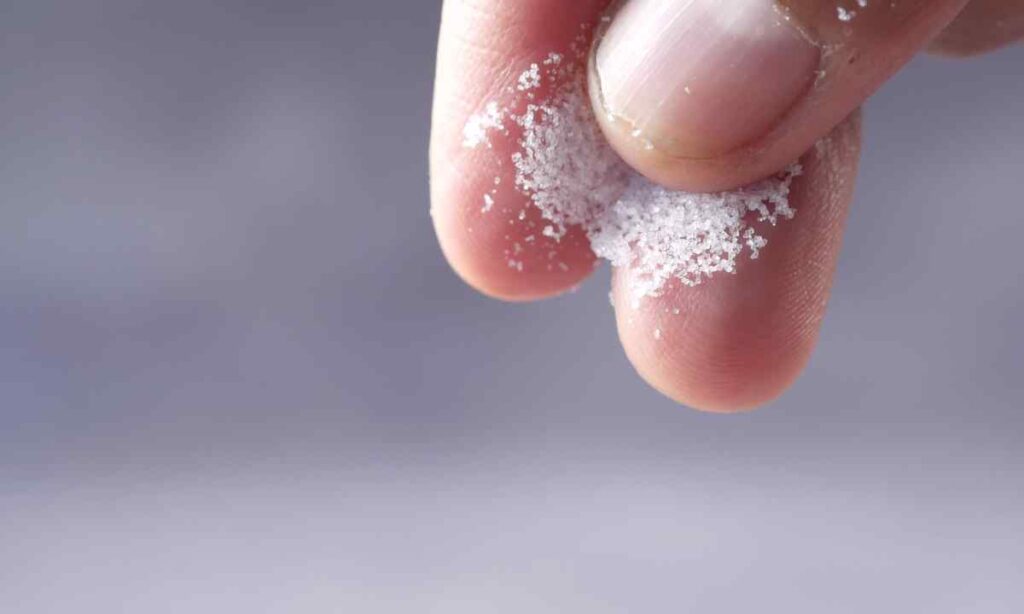
Here is the truth about this one. A true pinch of salt between your thumb and forefinger weighs around 0.3g to 0.6g, not a full gram. To reach 1 gram, you need a generous, heaped pinch. Some sources overstate this, so now you know the accurate version.
Salt is still a great practical weight example in the kitchen. Just go a little bigger than a basic pinch to hit that 1 gram weight mark.
Japanese 1 Yen Coin
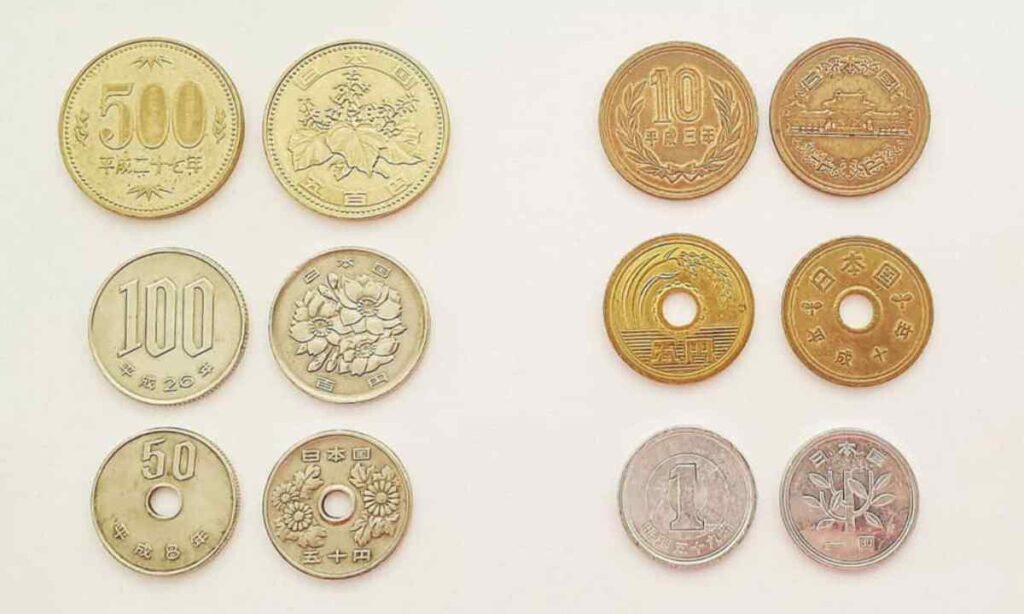
Japan’s 1 yen coin was intentionally designed to weigh exactly 1 gram. It is made from 100% aluminum and is the lightest circulating coin on Earth. The Japan Mint confirms this as an official specification.
Under very specific conditions like clean, still water it can rest on the surface due to surface tension. It is one of the most precise objects measured in grams you will ever come across.
Quarter of a Sugar Packet
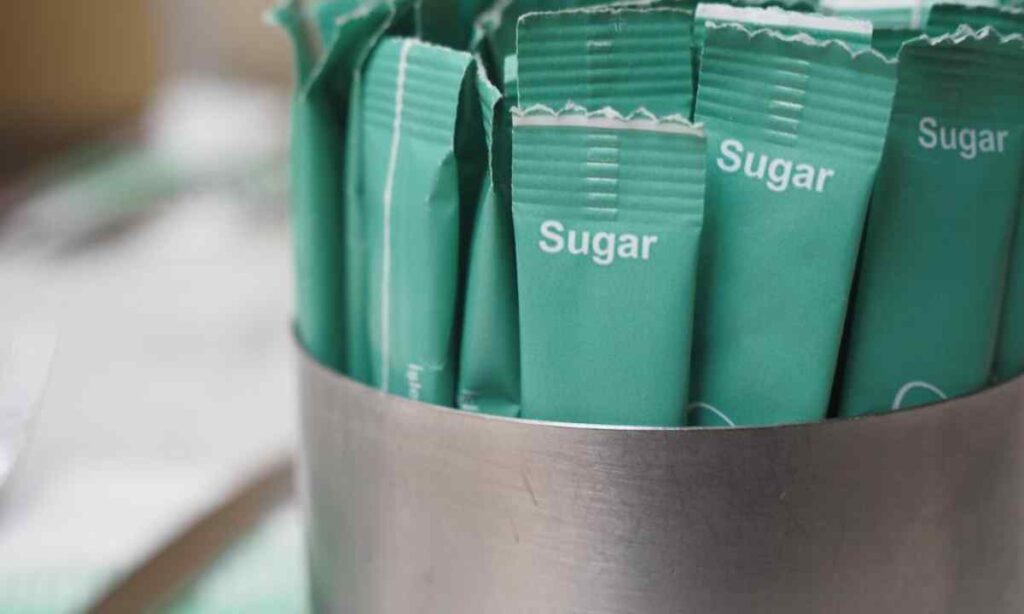
One full sugar packet at a restaurant holds about 4 grams. So one quarter of that packet equals exactly 1 gram. Tear off a corner and you have quick, visual weight facts and examples.
The American Heart Association recommends capping added sugar at 25 to 36 grams daily. Knowing 1 gram looks like a quarter packet helps you track that better.
Plastic Bottle Cap
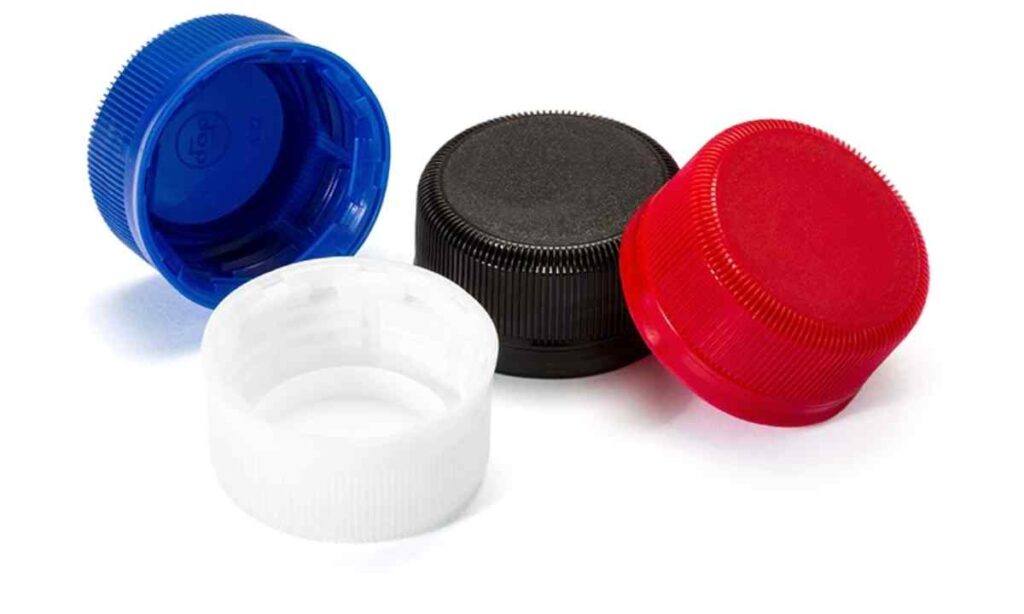
The cap on your water bottle or soda bottle weighs approximately 1 gram. Made from polyethylene plastic, it is engineered to be light while keeping your drink sealed tight. Manufacturers produce hundreds of millions of these daily worldwide.
It is one of those small everyday items you toss without a second thought. But now it is also a reliable lightweight object in your personal weight toolkit.
Single Piece of Paper Towel (Torn Section)
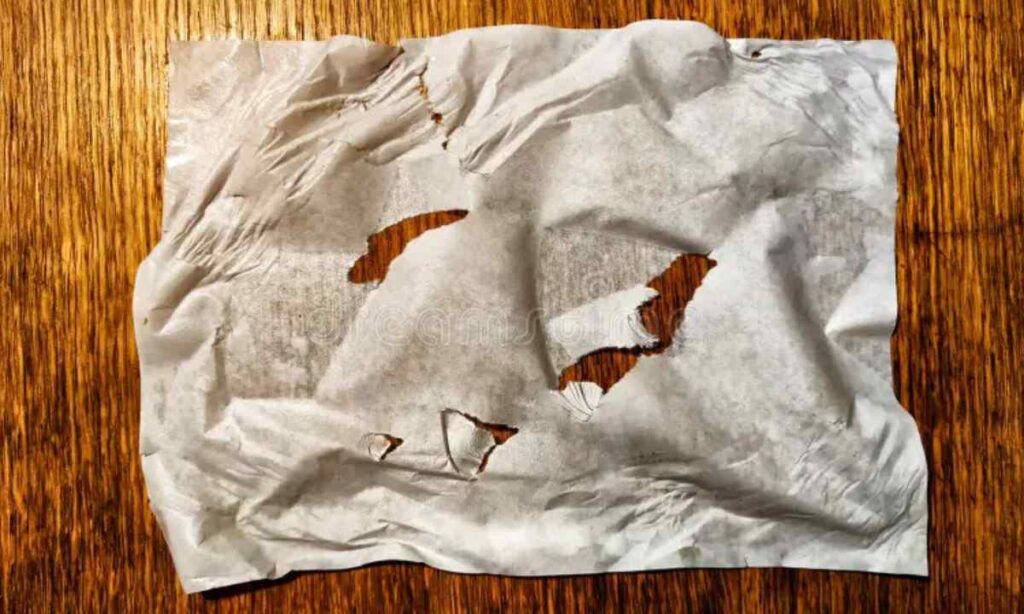
One standard sheet of paper towel weighs between 1g and 2g. Tear off a half sheet and you land close to 1 gram. Made from cellulose fibers, these sheets absorb many times their own weight in liquid.
They are one of the most accessible household items for rough weight estimation. Not the most precise tool, but close enough for everyday use.
One Milliliter (1 ml) of Water

This is the most scientifically accurate answer on this entire list. One milliliter of water equals exactly 1 gram at room temperature. Use a medicine dropper or syringe and you have a lab-accurate gram measurement at home.
This 1:1 relationship between volume and mass is the foundation of the metric system. It is the cleanest, most reliable common thing weighing exactly 1 gram example that exists.
Small Vitamin Tablet
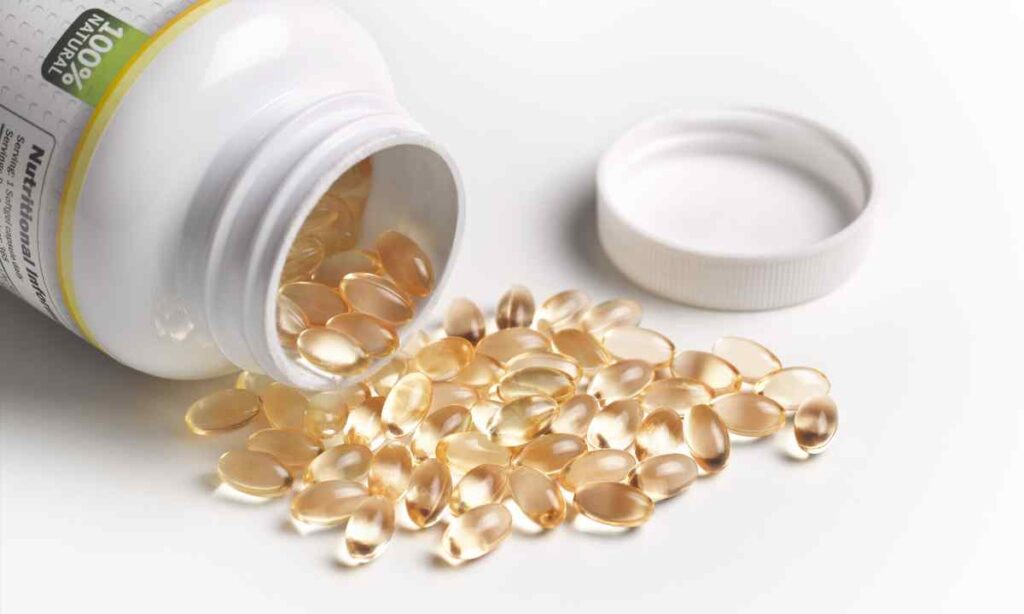
Most small vitamin tablets weigh between 0.5g and 1g. A standard multivitamin packs vitamins A, C, D, E, B-complex, zinc, and magnesium into that tiny shell. Pharmaceutical companies engineer precise weights for accurate dosing.
These are great accurate weight examples because they are made under strict manufacturing standards. Pick one up and you are holding a carefully engineered 1g object.
Apple Seed
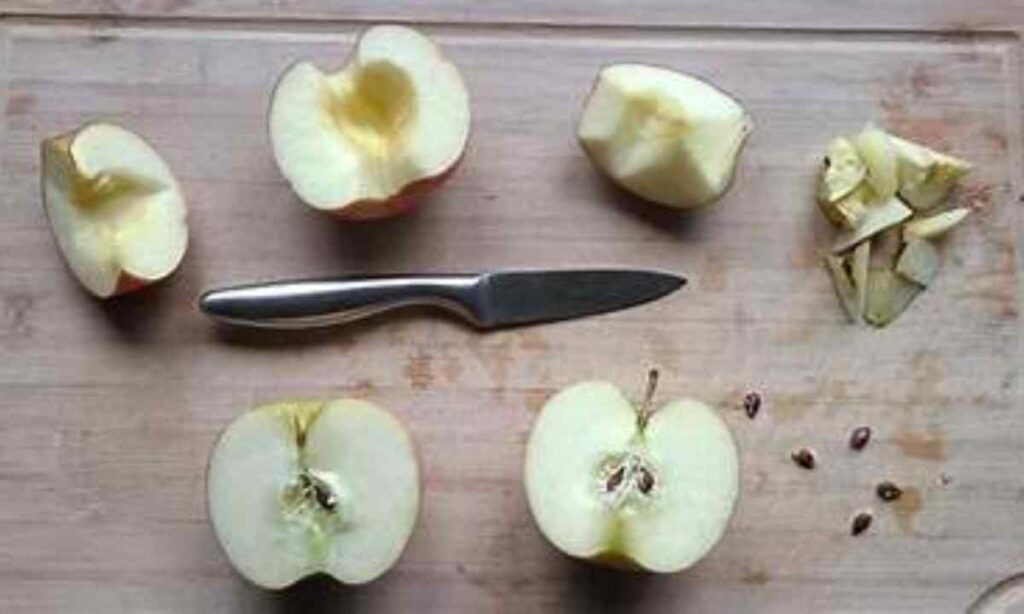
An apple seed weighs roughly 0.7g to 1g and measures about 7 to 8mm in length. Each apple has five seed pockets, usually holding one or two seeds each. They are dark brown, glossy, and surprisingly dense for their size.
Apple seeds contain a compound called amygdalin. According to toxicology research, a person would need to chew and swallow a very large number of seeds, far more than a handful, to experience any real harm. A couple of seeds from your afternoon snack is completely harmless.
Dried Pea
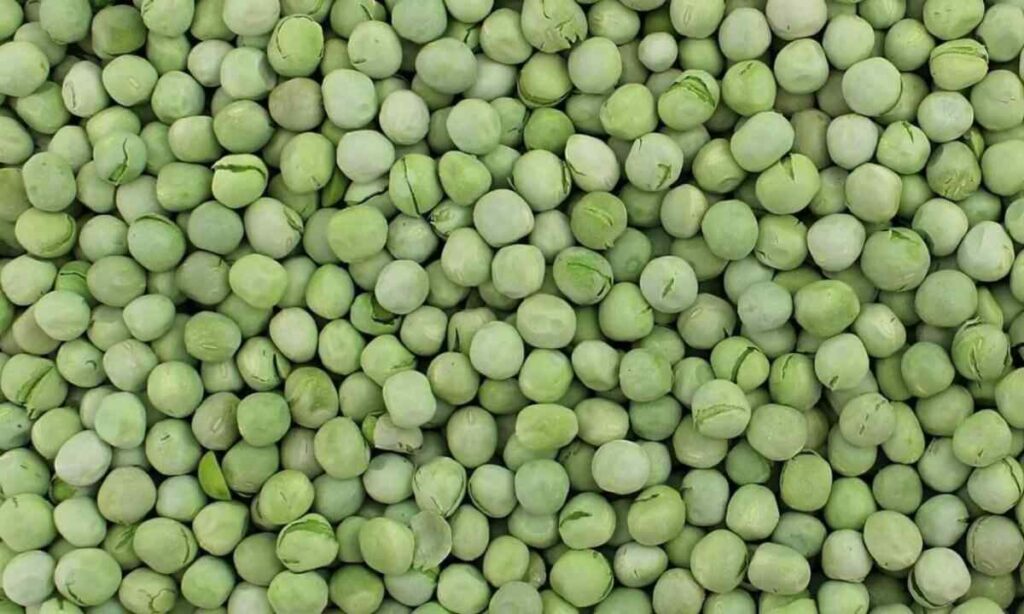
One dried pea weighs right around 1 gram, sometimes slightly above or below depending on variety. Split peas, chickpeas, and green dried peas all fall in this range. They are used in soups, stews, and snacks across every cuisine.
Dried peas are dense, uniform, and easy to handle. That makes them a surprisingly useful tiny everyday object for weight comparison when a scale is not around.
Corn Kernel (Dried)
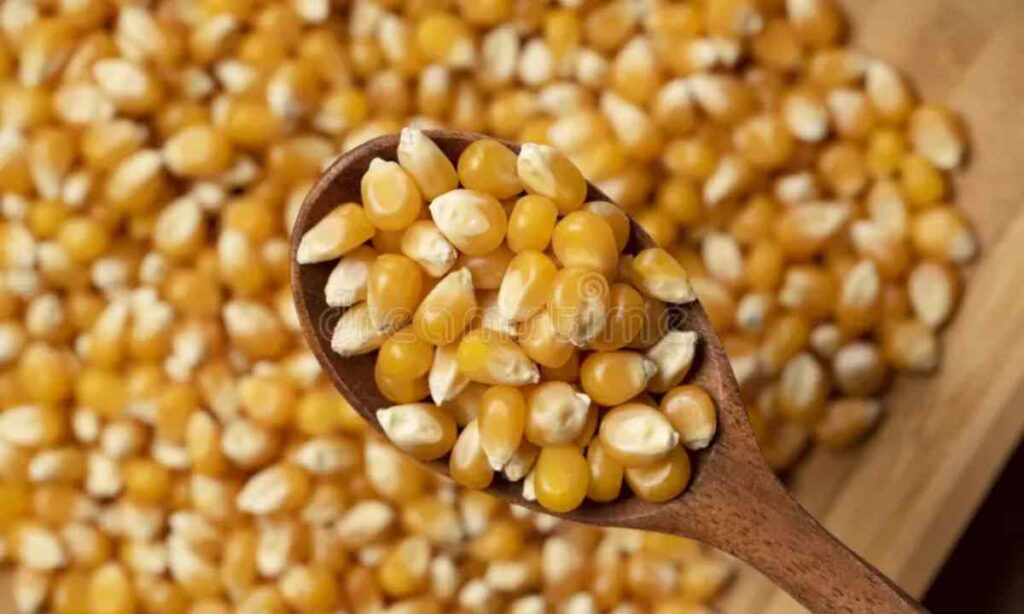
A single dried corn kernel sits right at the 1 gram mark on most digital scales. Popcorn kernels are a perfect example. Each one is small, hard, and consistent in size and density.
Next time you are making popcorn, grab one kernel before it pops. Hold it and feel what 1 gram weight actually is. That is your new favorite everyday weight reference.
Small Button (Standard Shirt Button)
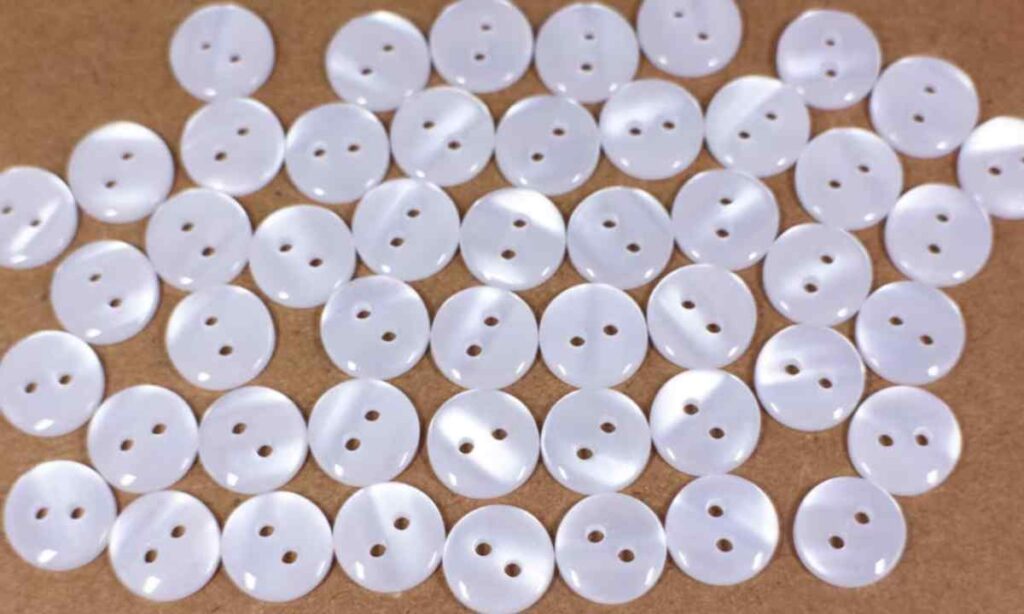
A standard plastic shirt button weighs about 1 gram depending on size and material. The four-hole variety found on most dress shirts hits this mark almost perfectly. Sewing kits, tailors, and garment factories deal with these lightweight objects by the thousands.
It is one of those common items and their weight examples that surprises people. Something so small and ordinary is a spot-on one gram comparison sitting in your wardrobe right now.
You May Also Like This: 13 Common Items That Weigh 2 Ounces
1 Gram Without a Scale – 3 Proven Methods
No scale? No problem. These three methods give you a solid weight estimation guide using things you already have.
1. Paperclip Comparison
Hold a standard Gem paperclip in one hand and your unknown object in the other. If they feel the same, you are at 1 gram. Practice with 5 or 10 paperclips to train your hand sensitivity the way professional chefs train their pour.
This is the fastest, most reliable no-scale method for measuring weight of small objects at home or in the office.
2. Dollar Bill Balance
Lay a US dollar bill flat and place your object beside it. If the object feels the same as the bill, it weighs 1 gram. This works best for flat, thin items like paper, foil, or small fabric pieces.
Every denomination weighs the same, so grab whatever is in your wallet. It is your most portable common weight reference tool.
3. Water Volume (Most Accurate)
Measure exactly 1 milliliter of water using a syringe, medicine dropper, or precise measuring spoon. That water weighs exactly 1 gram. This method is used in home labs, kitchens, and science classrooms for good reason.
It is the cleanest and most accurate way to understand gram measurement without spending a cent on equipment.
Why Knowing 1 Gram Matters in Real Life
Understanding everyday weight examples is more useful than most people realize. Cooks use it to measure spices, baking ingredients, and portion sizes accurately. Travelers use it to stay under luggage limits by estimating small item weights.
Parents use it to explain the metric system to kids using objects already at home. Teachers use weight facts and examples like these to make science lessons stick. And anyone tracking nutrition, medication, or supplements benefits from knowing what 1 gram looks and feels like in real life.
Conclusion
You now have 19 real, daily-use items that weigh 1 gram sitting in your home, office, and kitchen. From a dollar bill to a dried corn kernel, common objects weighing 1 gram are everywhere once you know what to look for.
Save this as your go-to object weight guide whenever you need a quick gram scale comparison without pulling out a scale. Try holding a paperclip right now and feel exactly what 1 gram weight is. Then drop a comment below and tell us which item surprised you most.

William Johnson is a dedicated writer and measurement enthusiast at moneyhexa.com. He shares accurate, simple, and practical insights about measurements, dimensions, sizes, and everyday comparisons. With a passion for making complex topics easy to understand, William helps readers discover useful information through clear explanations, research-based content, and engaging guides designed for learners, curious minds, and everyday users.