How Long Is 20 cm? Full Conversions Plus 13 Things That Are This Size
20 cm equals 7.87 inches. That’s the short answer if you’re in a hurry. It also breaks down to 200 millimeters, 0.2 meters, and 0.656 feet, so wherever you’re converting from, you’ve got it right here.
But a number on its own doesn’t tell you much. You want to know what 20 centimeters actually looks like when it’s sitting on your desk or in your hand. That’s what the rest of this page is for, with real objects and a couple of tricks for measuring it without a tape.
20 CM By Every Unit You Could Ever Need
Here’s every 20 cm conversion you’re likely to search for, all in one place.
| Unit | Value |
| Centimeters | 20 cm |
| Inches | 7.87 in |
| Feet | 0.656 ft |
| Millimeters | 200 mm |
| Meters | 0.2 m |
| Yards | 0.219 yd |
| 72 DPI pixels | 567 px |
| 96 DPI pixels | 756 px |
| 300 DPI pixels | 2,362 px |
If you only remember one line from this table, make it this one. 20 cm in inches rounds to 7.87, and rounding to 8 inches is close enough for almost anything that isn’t a precision cut.
Thirteen Things Near You Right Now That Prove the Point
Numbers are easy to forget. Objects aren’t. Here are 13 everyday items 20 cm long or close to it, and every single one has been checked for accuracy first.
A Folded Newspaper (Half Page Width)

Grab any broadsheet newspaper and fold it once down the middle. That folded width lands close to 20 cm, give or take the publication.
Newspapers settled on this shape generations ago so a folded copy could be read one handed on a train or a bus. That half width is one of the most overlooked 20 cm examples because everyone has held one without ever measuring it.
A Standard Unsharpened HB Pencil
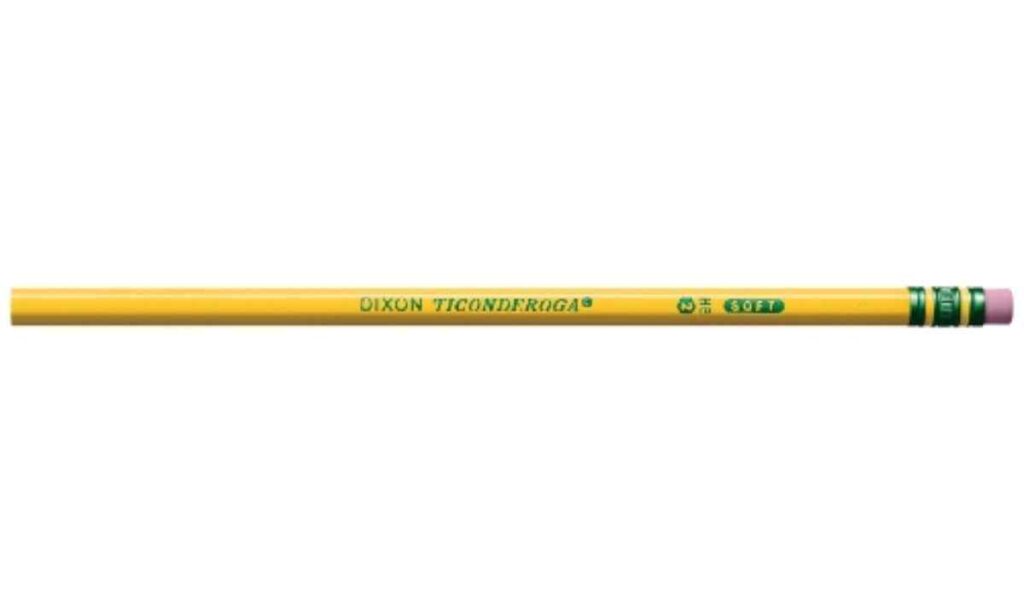
Fresh out of the box, an unsharpened HB pencil measures almost exactly 20 cm, or 7.87 in, before you count the eraser cap. That’s not a random length either.
Pencil makers landed on it because it balances well between finger and paper without snapping under normal pressure. Too short and you lose grip control, too long and it wobbles, so 20 cm became the sweet spot.
A Kids’ Dress Shoe (UK Size 13 / EU 32)
Adult shoes run bigger than most people assume, so a men’s size 8 is actually closer to 27 cm insole to insole. That’s not this measurement. What does land at 20 cm is a kids’ UK size 13, which is a common size for a child around seven or eight years old.
Shoe sizing is one of the cleanest 20 cm compared references you’ll find, since each UK size adds roughly 8.5 mm. Next time you’re shoe shopping with a kid, that size 13 box on the shelf is your real world ruler.
A Paperback Novel (Height, Not Width)
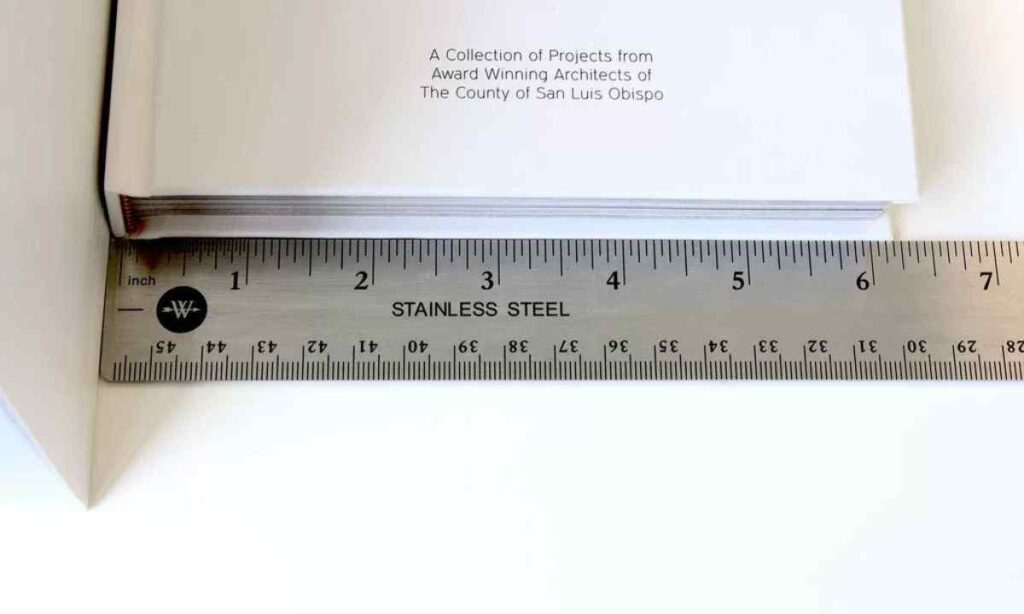
Most standard paperbacks sold across the UK, Europe, and Australia use what’s called B-format sizing, and the height of that format sits right around 19.8 cm, close enough to call it 20 cm. The width is actually the smaller number, closer to 13 cm, so it’s the tall dimension that matches here.
Publishers picked this height because it fits neatly on a shelf while still being easy to hold open one handed. Pick almost any novel off a shelf printed after 1990 and you’re holding roughly this 20 cm measurement.
A Wooden Cooking Spoon
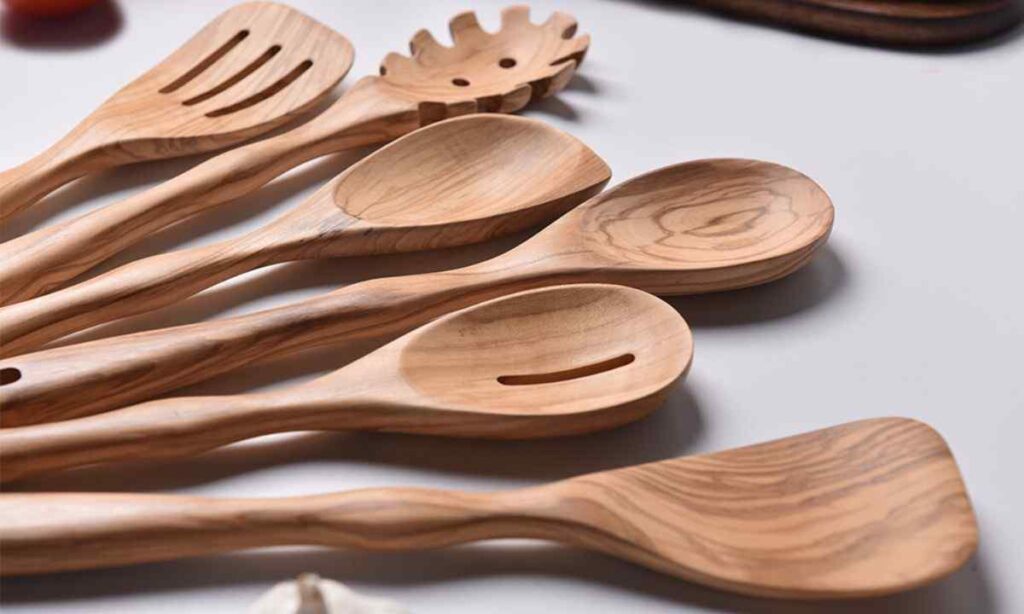
The handle of a standard wooden cooking spoon runs close to 20 cm on its own, with the full spoon usually closer to 30 cm total. That handle length isn’t an accident either.
It’s cut so the bowl of the spoon clears a pot’s rim while you stir, keeping your knuckles away from the heat. Wood also doesn’t carry heat up the handle the way metal does, so that 20 cm is doing real, practical work.
A Small Tablet Screen (Diagonal)
Many compact 8 inch tablets have a screen diagonal that lands close to 20.3 cm, measured corner to corner. That’s why the 8 inch tablet became such a popular size for portability.
It’s light enough for a kid to hold and readable enough for actual use, which is why it shows up on long car rides everywhere. If you’ve ever handed a tablet to a child to keep them occupied, you’ve held this 20 cm size without knowing it.
A DL Envelope (Long Side)

A DL envelope, the slim kind used for formal letters and invoices, measures 22 cm by 11 cm. The long side sits just slightly over this measurement, close enough that it’s a useful visual anchor.
DL stands for Dimension Lengthwise, a European standard sized to hold an A4 sheet folded into thirds. Banks and law firms use this format constantly because it slides into a standard postbox slot with room to spare.
A Toddler’s Leg, Hip to Heel
Newborn measurements get thrown around a lot online, but a full term newborn’s foot is only about 8 cm, nowhere close to this size. What does land near 20 cm is the leg length of a baby around three months old, measured hip to heel.
That’s one of those 20 cm examples that quietly proves how fast babies grow in the first few months. Parents who’ve held a baby at that age for a checkup have felt this length firsthand, even without a tape measure.
A 500ml Water Bottle

A standard 500ml plastic water bottle, the kind sold at almost every convenience store, stands close to 20 cm tall. That height isn’t arbitrary either, it’s shaped to fit standard cup holders and vending machine slots.
Compare that to a 330ml can, which is noticeably shorter, and the size difference becomes obvious once you line them up. It’s one of the most common 20 cm dimensions people handle daily without ever clocking the number.
A Personal Pizza (20 cm Pizza Size)
A 20 cm pizza is what most restaurants call a personal or individual size, measured full crust to crust. That’s food for one person with a normal appetite, not a starter and not something you’re expected to share.
Pizza ovens cook this size fast, often in under two minutes at high heat, which is exactly why fast casual spots favor it. Eight inches across, twenty centimeters, that’s your personal pizza settled for good.
A Hardback Children’s Book
Large format hardback picture books typically measure close to 20 cm wide, sometimes a touch more. That width exists for a reason, it needs to be wide enough to show full bleed illustrations clearly.
Publishers design these proportions so a parent can hold the book open at arm’s length while a child in their lap sees both pages. Pull almost any classic picture book off a shelf and that width you’re holding is close to this measurement.
A Standard UK House Brick (Length)
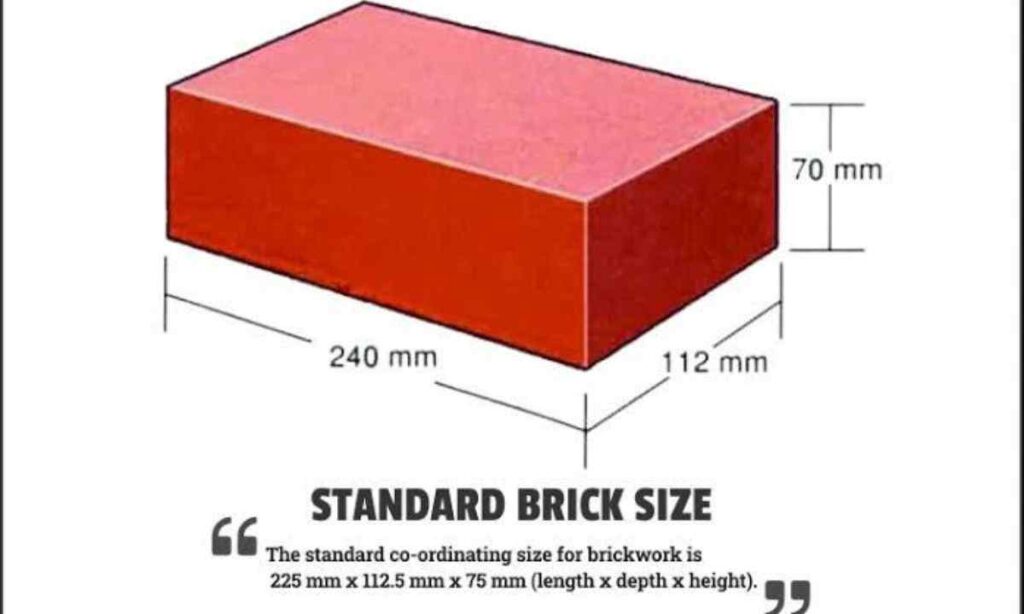
A standard UK house brick measures 215 mm long, which rounds to essentially 20 cm to 21.5 cm depending on how you’re counting. That length was standardized in 1965 specifically to make construction math predictable.
Two bricks laid end to end plus a mortar joint equal one brick laid lengthways, a system that makes walls add up cleanly. Walk past any brick building and that repeating unit is giving you close to this measurement, over and over, all the way up.
A Sheet of A5 Paper (Long Side)
The long side of a standard A5 sheet, the size used for notebooks, greeting cards, and flyers, measures 21 cm, just a hair over this length. It’s part of the same paper sizing system as A4, just one fold smaller.
Fold an A4 sheet exactly in half and you get A5, which is why the two sizes share such a clean relationship. Keep one on your desk and you’ve got a genuinely accurate, always available 20 cm reference within arm’s reach.
Left Your Ruler Somewhere? Try These Instead
No measuring tape nearby? You can still get a solid estimate using stuff already in your bag or pocket.
A standard UK banknote runs about 14.2 cm long. Line one up and eyeball roughly another third of that length again to land close to 20 cm. Your index finger, knuckle to tip, is usually around 7 to 8 cm for most adults, so about two and a half finger lengths gets you there.
And if you’ve got an A4 sheet handy, the short side measures 21 cm, just a centimeter over this mark. That’s close enough for almost any practical estimate you’d need on the spot, no tools required.
You May Also Like This: 11 Things That Are 300 Feet Long Or Big
20 cm Compared to Sizes Nearby
Sometimes the number that actually helps is the one next to the one you searched. Fifteen centimeters is noticeably smaller, close to the length of a standard smartphone or a large kitchen knife blade. Twenty five centimeters, on the other hand, is a step up, closer to a standard ruler’s full length or a small laptop’s width.
Seeing 20 cm sandwiched between those two gives you a scale, not just a single data point. It’s the difference between a personal pizza and a medium one, or between a paperback and a slightly larger hardback, small shifts that change how something feels in your hands.
The 20 cm Pizza Angle Most People Miss
Since the pizza size comes up constantly in searches, it’s worth spelling out the actual math behind it.
A 20 cm pizza has a 10 cm radius. Run that through the area formula and you get roughly 314 square centimeters of pizza, about 48.7 square inches. Compare that to a 30 cm pizza, a common medium size, which works out to 706 square centimeters, more than double.
That’s the part most people miss. The diameter only grows by 10 cm, but the actual pizza you’re eating more than doubles in area. It’s a good reminder that length and size don’t scale the same way, something worth knowing before you order.
One Last Thing
You’ve now got 13 real objects that all sit close to this measurement, checked and corrected so none of them will steer you wrong. Whether it’s the pencil, the brick, or the personal pizza that sticks in your head, pick the one that’s easiest for you to picture.
That’s your 20 cm reference for life, no ruler required.

William Johnson is a dedicated writer and measurement enthusiast at moneyhexa.com. He shares accurate, simple, and practical insights about measurements, dimensions, sizes, and everyday comparisons. With a passion for making complex topics easy to understand, William helps readers discover useful information through clear explanations, research-based content, and engaging guides designed for learners, curious minds, and everyday users.