16 Things That Measure 50 Feet Long or Are Big
Ever stood somewhere and tried to guess how far 50 feet actually is? Most people have no idea. It sounds big, but until you picture something real next to it, it just feels like a random number floating in your head.
50 feet equals 15.24 meters, 16.67 yards, or 600 inches. That’s your quick answer. Now let’s make it stick with real things you’ve actually seen before. This visual measurement guide will change how you see space forever.
Quick Conversion
50 feet = 15.24 meters 50 feet = 16.67 yards 50 feet = 600 inches 50 feet = 0.0095 miles
These numbers are clean and simple. Bookmark this if you ever need a fast feet to meters conversion on the go.
How Long Is 50 Feet?
Think about nine to ten adults lying flat on the ground, head to toe. That chain of people is roughly 50 feet long. It takes about 17 to 20 seconds to walk that same distance at a normal pace.
Visualizing 50 feet is easier when you tie it to something familiar. It’s longer than a school bus, shorter than a blue whale, and about as long as a mid-size yacht. Pretty solid reference for everyday objects measurement.
Things That Measure 50 Feet Long or Big
Olympic Swimming Pool (Half Length)
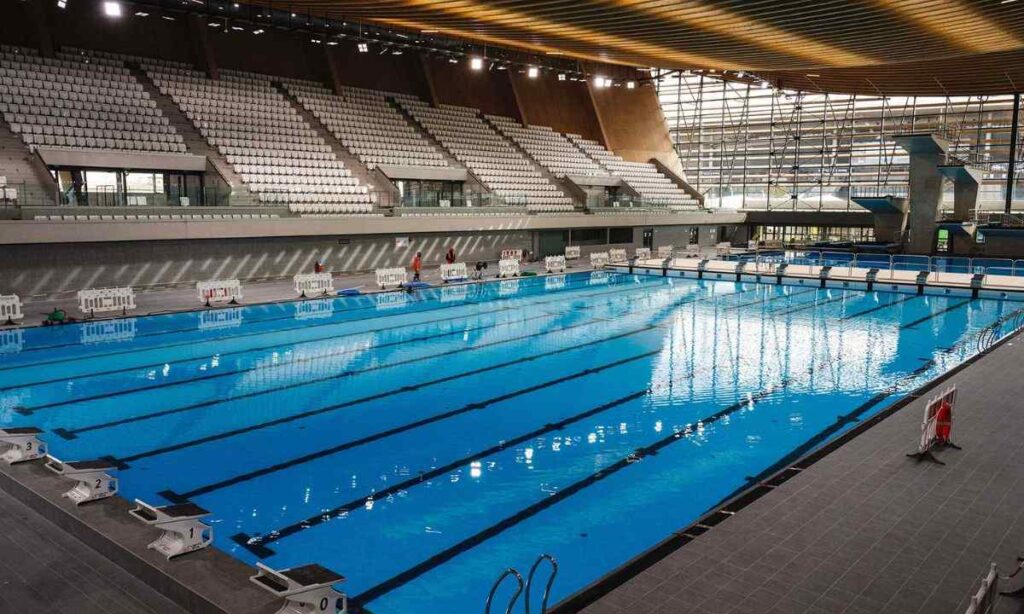
An Olympic swimming pool is 50 meters long, which is roughly 164 feet. Half of that comes out to about 82 feet. But here’s the thing, many residential and community lap pools are built at exactly 50 feet for practical reasons.
Serious swimmers train in these 50-foot pools every day. It gives enough distance for real training without needing an Olympic-sized facility. This is one of the cleanest real-life 50 foot examples you’ll find in your own neighborhood.
If you’ve ever done laps at a gym pool and felt like one length went by fast, chances are you were swimming in a 50-foot pool. That’s visualizing 50 feet without even trying.
Semi-Truck (Without Trailer)
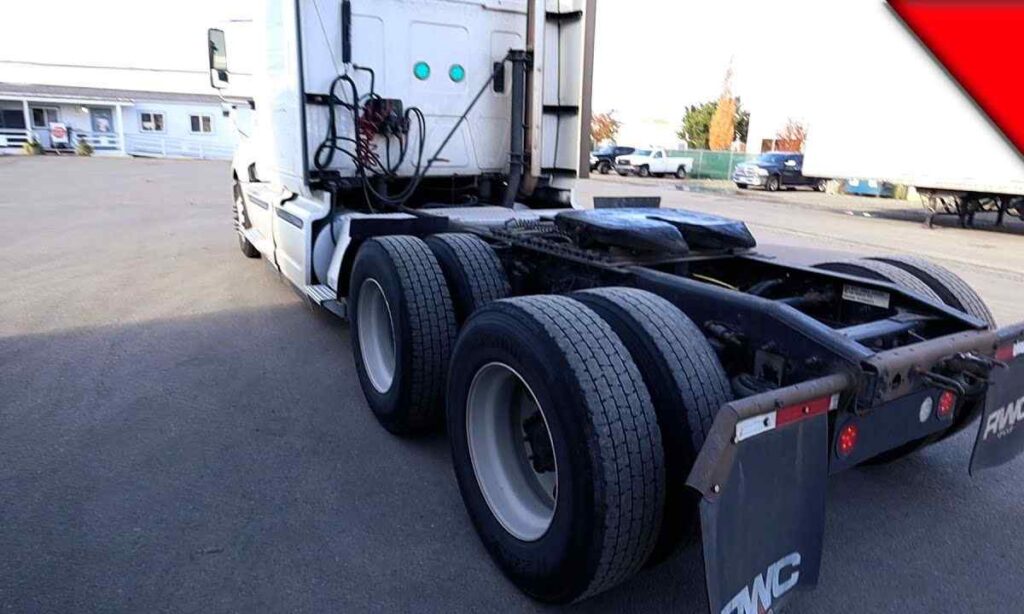
Here’s where a lot of articles get it wrong. A semi-truck cab or tractor unit alone is actually around 20 to 25 feet long. The trailer itself runs 45 to 53 feet. Together they create those massive giant vehicle dimensions you see on highways.
So when you’re picturing semi-truck trailer length as a reference for 50 feet, you’re really looking at the trailer portion, not the cab. That trailer rolling down the highway next to you? That’s your 50-foot benchmark right there.
School Bus (Slightly Longer)
A full-size school bus runs 35 to 40 feet long. So 50 feet is about 25 percent more than that iconic yellow vehicle. Add one small car behind a school bus and you’re right at 50 feet.
School bus length is one of the most searched measurement reference ideas online because everyone has seen one. It’s a smart anchor point for understanding 50 feet quickly.
Five Average Cars (End-to-End)
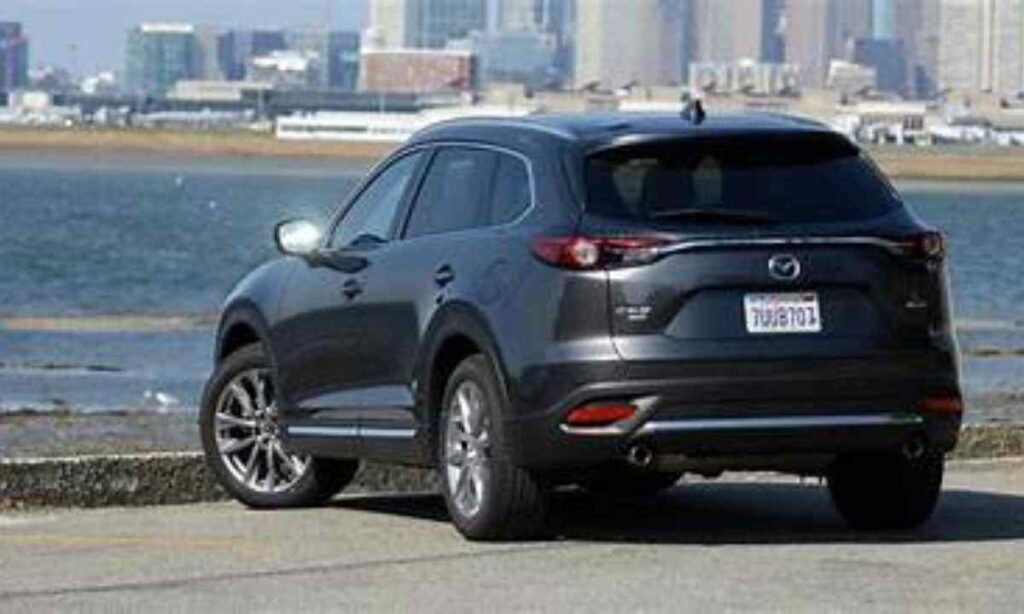
Compact cars like a Honda Civic or Toyota Corolla run about 14 to 15 feet long. Line up five of them bumper to bumper and you land right around 50 feet. This is one of the easiest easy size comparison examples you can do in any parking lot.
Mid-size sedans are 15 to 16 feet, so five of those push closer to 75 to 80 feet. Stick with compact cars for this one. It’s a clean and reliable 50 feet comparison trick.
Garden Hose (Standard Length)
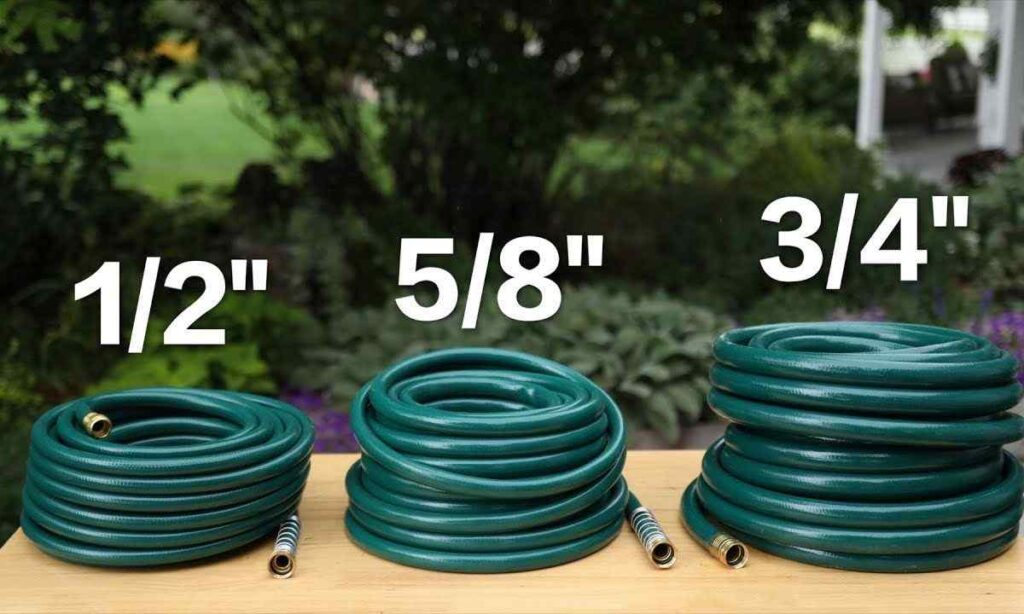
Walk into any hardware store and you’ll see hoses in 25, 50, 75, and 100-foot options. The 50-foot hose is the bestseller because it reaches most corners of a standard suburban yard without being bulky.
Next time you unroll one to water your lawn, you’re literally holding a 50 feet in real life example in your hands. It’s flexible, familiar, and a genuinely useful length comparison example.
Four-Story Building (Approximate)
Standard commercial floors run about 12 feet each. A four-story building comes in around 48 to 50 feet tall. Look up at the next four-story office or apartment building you pass and that roofline is sitting right at your architecture size comparison target.
Residential buildings with 10-foot ceilings hit closer to 40 to 45 feet for four floors. Either way, four stories is your go-to vertical reference for gigantic structures at this scale.
Bowling Lane (Most of Length)
A regulation bowling lane length from foul line to headpin is exactly 60 feet. So 50 feet gets you about 83 percent of the way down that lane. Picture where the ball is when it’s almost reaching the pins and you’ve got your 50-foot mark.
Every bowling alley worldwide keeps these exact dimensions. It’s one of those real-world dimensions hiding in plain sight every time you go for a casual game with friends.
Fire Truck Ladder (Extended Partially)
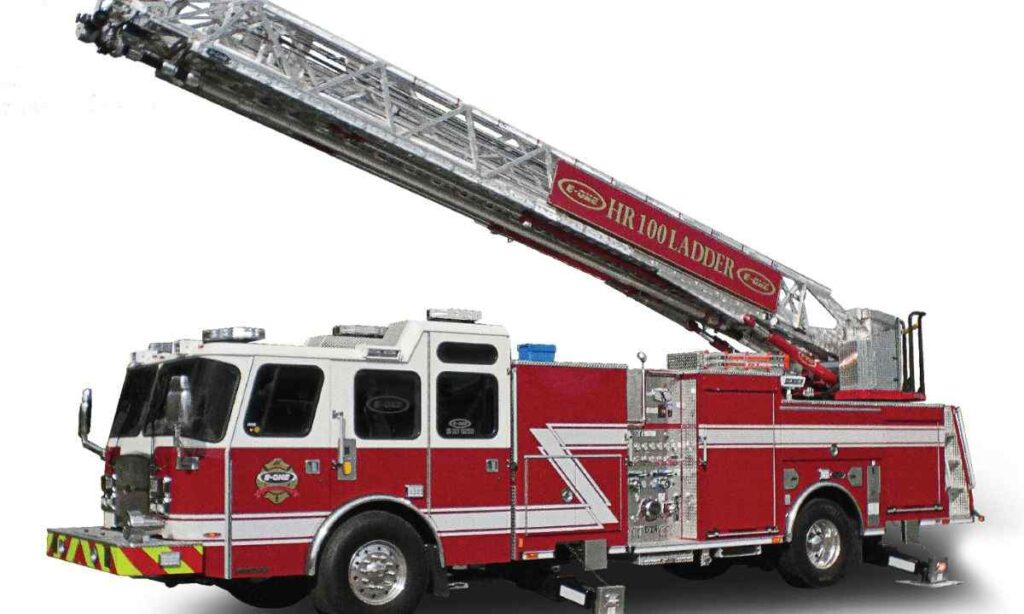
Fire truck aerial ladders fully extend to 75 or even 100 feet. At 50 feet, the ladder is partially out, reaching roughly the third or fourth floor of a building. Firefighters use this length constantly during residential fire response.
This is one of those large construction equipment and emergency vehicle references that makes 50 feet feel genuinely impressive. Next time a fire truck rolls by, picture that ladder halfway out.
Yacht or Sailboat (Mid-Size)
Yacht length in the 45 to 55-foot range is considered mid-size in the boating world. A 50-foot sailboat is a serious cruising vessel, capable of ocean crossings, comfortable living aboard, and long-distance voyaging.
Marina slips for these boats are premium spots. This is where large-scale comparisons get exciting because 50 feet on water feels completely different than 50 feet on land.
Ten Adults (Head-to-Toe)

The average adult stands around 5 to 5.5 feet tall. Lay ten people flat in a line, head to toe, and that chain stretches to 50 to 55 feet. It’s a quirky but memorable human scale comparison you can picture anywhere.
This works great as measurement examples for kids too. Ask them to imagine their whole class lying down in a row. That’s 50 feet of people, which always gets a laugh.
Residential Deck or Patio
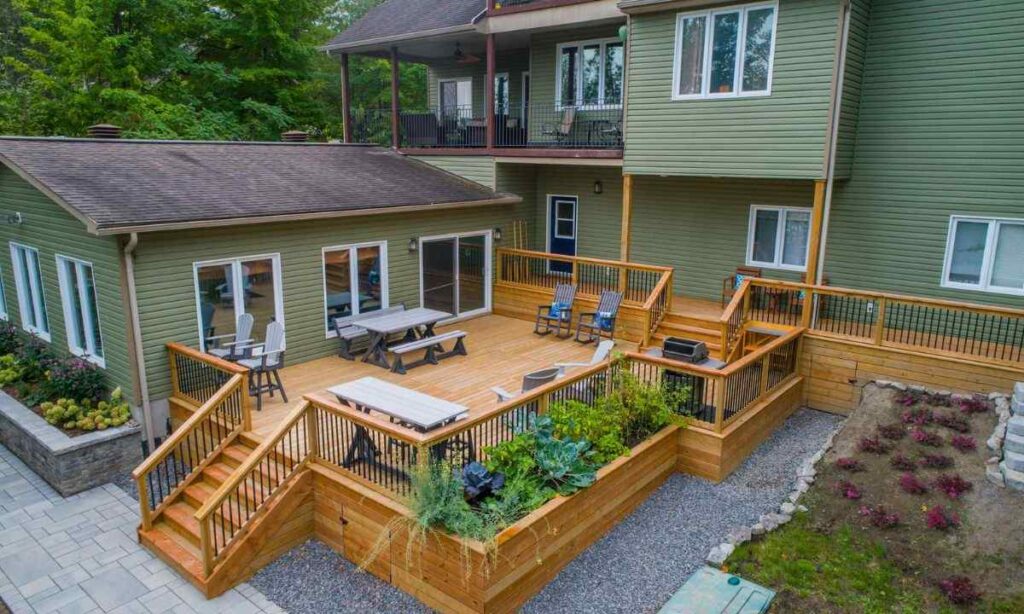
Big backyard decks are often built at 20 by 50 feet or 25 by 50 feet. That 50-foot length runs along the back of the house and fits multiple seating areas, a grill station, and still leaves room to breathe.
Deck contractors use these engineering measurements as a standard reference. If you’ve ever been to a house party on a massive outdoor deck, you’ve probably stood on a 50 feet in real life example.
Small Footbridge
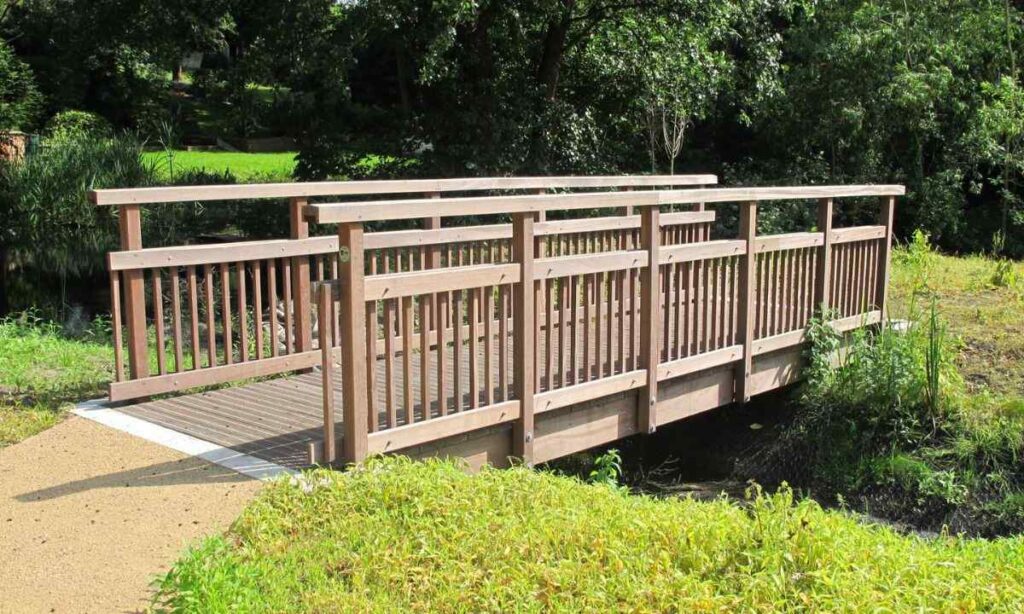
Pedestrian bridges over small creeks and park ravines typically span 40 to 60 feet. A 50-foot footbridge is one of the most charming outdoor landmark sizes in parks and private estates.
Next time you walk across a bridge in a park, count your steps. At a 2.5 foot stride, 20 steps puts you at 50 feet. Easy, practical, and a surprisingly accurate way of visualizing 50 feet on a nature walk.
Extension Cord (Heavy-Duty)
Professional orange extension cords come in 25, 50, 75, and 100-foot lengths. The 50-foot version is a staple on every construction site and in most garages.
It’s one of those objects that measure 50 feet that most people have tripped over at least once. Unroll one in your driveway and you’ve got a clean, straight line showing exactly how long 50 feet really is.
Telephone Pole Height
The standard telephone pole height in the United States runs between 35 and 60 feet, with the most common residential poles sitting right at 40 to 45 feet. Taller utility poles in commercial areas stretch up to 50 feet regularly.
Next time you pass one on your street, look up. That pole planted in the ground beside you is one of the most overlooked long objects examples sitting in your everyday life.
Shipping Container (Two Standard Containers)
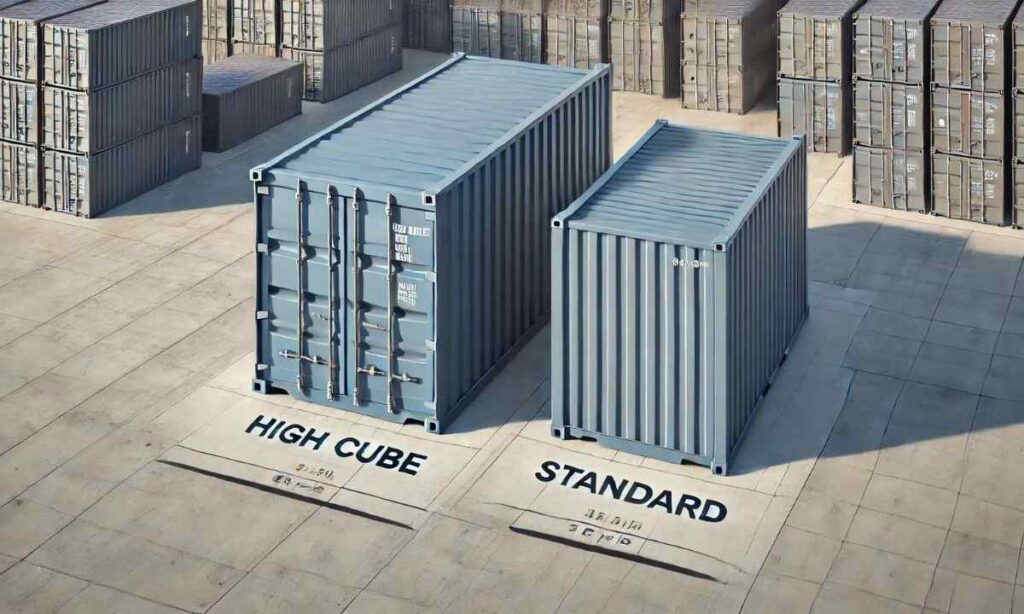
A standard shipping container size is 20 feet long. Line up two of them end to end and you hit 40 feet. Add a small gap or a third partial container and you’re at 50 feet. These steel boxes are everywhere at ports, rail yards, and construction sites.
They’re one of the most dependable massive real-world objects for size comparison because the dimensions never change. Two and a half shipping containers equal your 50-foot mark, clean and consistent every time.
50 Feet Without Measuring
School Bus + 25% More
Picture a full school bus parked in front of you. Now mentally stretch it one quarter longer past the back bumper. That extra bit is your 50 feet. Simple and fast.
Five Compact Cars End-to-End
Imagine five Honda Civics or Toyota Corollas lined up in a row at a parking lot. Bumper to bumper, that line hits 50 feet. This is the easiest 50 feet comparison trick for any parking lot.
Four-Story Building Height
Tilt your head up at the next four-story building you walk past. That roofline is your 50-foot ceiling. It’s an architecture size comparison hiding in every city block.
17 to 20 Seconds of Normal Walking
Start walking at your normal pace and count to 20. The ground you just covered is roughly 50 feet. No tape measure needed, just your legs and a count.
Also Read These: 17 Daily-Use Items Measuring 7 Inches Long (2026)
50 Feet Matters in Everyday Life
Knowing how long 50 feet is helps in more ways than you’d expect. Buying a house? Lot sizes are listed in feet and knowing this measurement helps you actually picture the yard before you visit.
Safety guidelines often reference 50-foot clearance zones for fires, emergency vehicle access, and utility work. Being able to picture that distance instantly could matter more than you think.
Planning a garden, building a fence, buying a hose, sizing a deck? Every single one of these uses 50 feet as a common working measurement. It’s not just a trivia fact, it’s genuinely useful in real life.
Conclusion
Things that are 50 feet long are everywhere once you know what to look for. From the trailer of a semi-truck rolling down the highway to the footbridge in your local park, this measurement is hiding in plain sight every single day.
Use these real-life 50 foot examples next time you need to eyeball a distance fast. No tape measure, no app, just the references you now have locked in your head. Share this with someone who always struggles with distances and watch it click for them too.